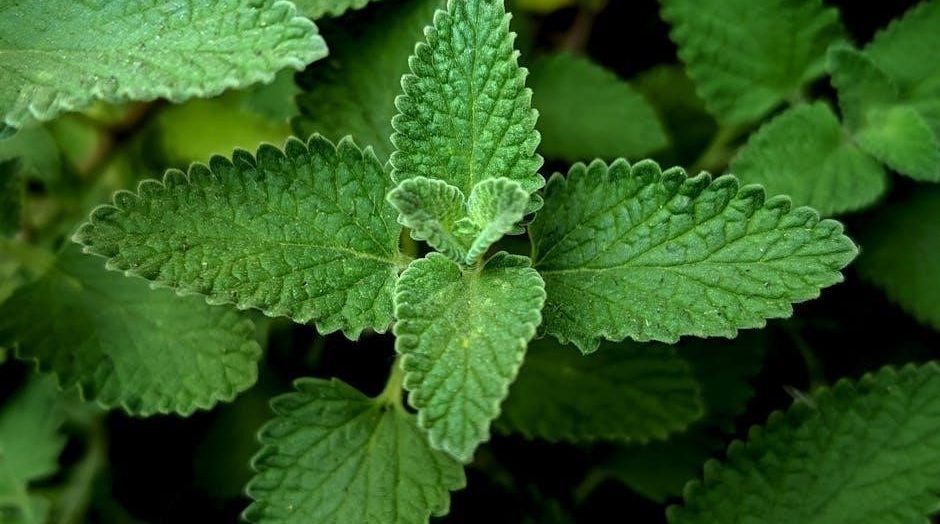
Cataclysm Herbalism Guide: An Overview
This guide details gathering, processing, and utilizing herbs in Cataclysm, covering locations like Arathi Highlands and Stranglethorn Vale.
It explores synergy with professions like Alchemy and Engineering, alongside updates and rare herb tracking.
Herbalism in Cataclysm underwent significant changes, becoming crucial for survival and crafting. The revamped zones, like Arathi Highlands and Stranglethorn Vale, offer diverse herb locations, demanding adaptability from gatherers. Mastering herb identification is paramount, as resources fuel both potion-making and engineering components.
This profession isn’t merely about collecting plants; it’s about understanding their properties and applications. Cataclysm introduced new herbs, altering gathering rates and requiring players to refine their farming strategies. Successful herbalists will track rare spawns and maximize skill gains, contributing significantly to the player economy and self-sufficiency. The synergy with Alchemy is particularly potent, creating a powerful crafting loop.
The Importance of Herbalism for Survival
In the harsh world of Cataclysm, herbalism transcends a simple profession; it’s a lifeline. Potions and elixirs crafted from gathered herbs provide essential healing, stamina regeneration, and resistance to poisons and diseases – critical for navigating dangerous zones like Stranglethorn Vale. Self-sufficiency becomes key, reducing reliance on expensive store-bought consumables.
Beyond direct consumption, herbs fuel alchemy, enabling players to create powerful buffs and utility items. Engineering also benefits, utilizing herbal components for specialized gadgets. Mastering herbalism offers a significant advantage in both Player versus Environment (PvE) and Player versus Player (PvP) scenarios, bolstering survivability and overall effectiveness. It’s a cornerstone of preparedness.
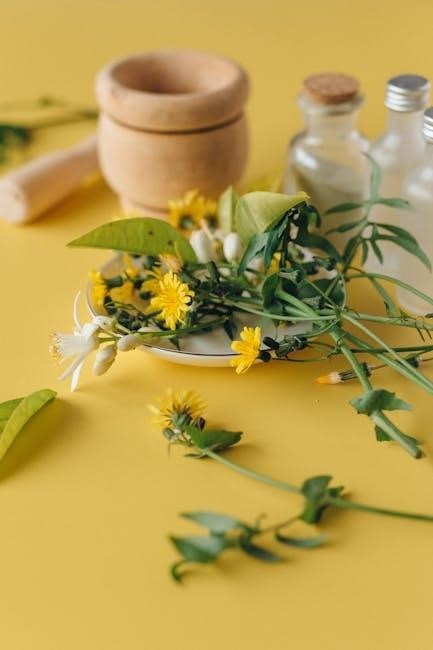
Gathering Herbs
Successfully collecting herbs requires the right tools and knowledge. Identifying plants and understanding their locations across zones is crucial for efficient gathering.
Essential Tools for Herbal Gathering
Herbalism in Cataclysm benefits greatly from utilizing specific tools to maximize efficiency and yield. While a basic sickle is sufficient for initial gathering, upgrading to a higher-quality one significantly reduces gathering time. Consider investing in a gathering enchant for your gloves; these enchantments provide a bonus to herbalism skill, increasing your chances of successfully harvesting herbs and potentially yielding extra materials.
Furthermore, mounts with larger inventory space are invaluable for extended gathering sessions, minimizing trips back to town to offload your collected herbs. Certain engineering gadgets, though not strictly essential, can also aid in locating rare herbs or providing temporary skill boosts. Finally, remember to utilize herbalism tracking on your minimap to highlight nearby herbs, streamlining your search and ensuring you don’t miss valuable resources.
Identifying Common Herbs
Successfully identifying herbs is crucial for efficient gathering in Cataclysm. Peacebloom, a vibrant blue flower, is commonly found in lower-level zones and is a staple for early-game healing potions. Silverleaf, recognizable by its silvery-grey leaves, is another frequent find, offering versatility in various alchemical recipes. Earthroot, a sturdy root with brown hues, provides stamina and regeneration benefits.
Bruisewort, a leafy green plant, is essential for bandaging and wound care. Grave Moss, a dark, eerie growth, is vital for crafting poison and disease remedies. Learning to visually distinguish these common herbs will significantly speed up your gathering process and allow you to focus on rarer, more valuable specimens as your skill increases.
Herb Locations by Zone (Detailed)
Cataclysm significantly revamped herb distribution across zones. Arathi Highlands boasts plentiful growths of Bruisewort and Earthroot along the riverbanks and foothills. The Hinterlands offer a mix of Silverleaf and Peacebloom, particularly around the forested areas and near the wetlands. Stranglethorn Vale, a dense jungle, is a hotspot for Grave Moss and Liferoot, often found deeper within the zone.
Remember that herb spawns are dynamic; locations may vary. Utilizing tracking abilities and revisiting areas periodically is key. Exploring less-traveled paths often yields greater rewards. Keep an eye out for concentrated patches, indicating a rich herbal source within that specific region.
Herbs Found in Arathi Highlands
Arathi Highlands presents a diverse herbal landscape, favoring Earthroot and Bruisewort. These herbs commonly populate the riverbanks surrounding Lake Daelor, offering convenient gathering routes. Bruisewort thrives in the foothills and grassy plains, particularly near the northern settlements. Expect moderate competition from other players due to the zone’s accessibility.
Silverleaf can also be found, though less abundantly, scattered throughout the forested areas. Careful exploration of the winding paths reveals hidden patches. Remember to utilize herbalism tracking to pinpoint exact locations and maximize your yield. The Highlands offer a solid starting point for early-game herbalism.
Herbs Found in The Hinterlands
The Hinterlands boasts a rich variety of herbs, notably Kingsblood and Liferoot, essential for advanced potion-making. Kingsblood flourishes in the higher elevations, particularly around the ruins and rocky outcrops. Liferoot prefers the damp, shaded areas near the rivers and waterfalls, requiring diligent searching.
Peacebloom and Silverleaf are also present, though less concentrated than in lower-level zones. Expect increased competition from players seeking these valuable resources. Utilizing herbalism tracking is crucial for efficiently locating rarer herbs. The Hinterlands provides a challenging yet rewarding environment for dedicated herbalists.
Herbs Found in Stranglethorn Vale
Stranglethorn Vale is a hotspot for diverse herbal resources, though navigating the hostile environment presents a challenge. Grave Moss thrives in the swampy areas, particularly around the troll camps and murky pools, making it a risky harvest. Bruisewort is commonly found along the jungle paths and near the riverbanks, offering a safer gathering option.
Expect to find significant quantities of Earthroot, vital for stamina-restoring potions, scattered throughout the zone. Competition for herbs is fierce due to the area’s popularity. Employing tracking and being mindful of hostile creatures are essential for successful herbalism in Stranglethorn Vale.
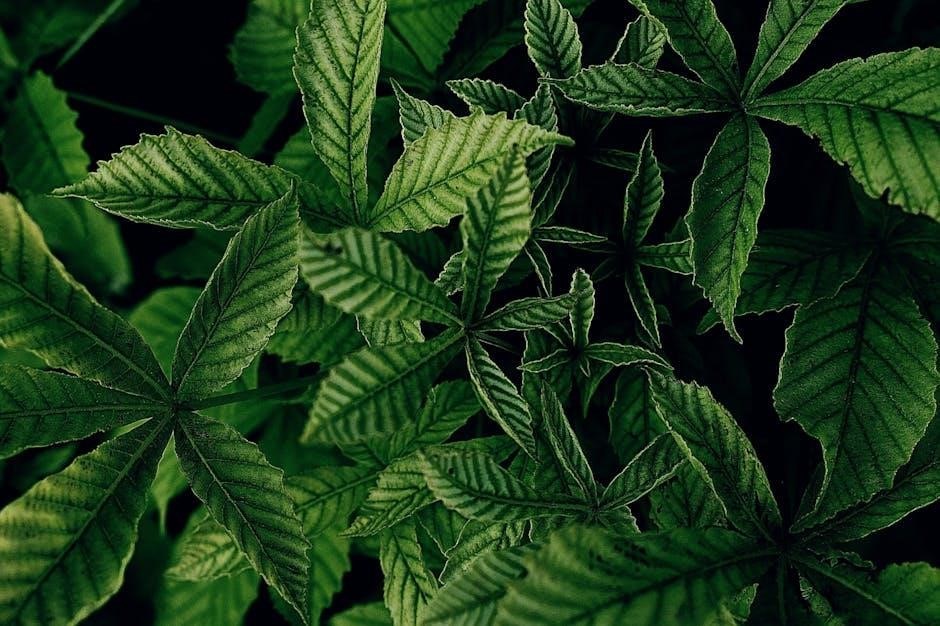
Herb Processing & Alchemy
Herbs require processing before use in alchemy, creating potions and elixirs. Mastering these techniques unlocks powerful benefits, enhancing survival and combat effectiveness.
Basic Herb Processing Techniques
Successfully utilizing gathered herbs requires understanding fundamental processing methods. While some herbs can be used directly, most benefit from initial refinement. This often involves drying, which preserves the herb’s potency and prevents spoilage, extending its usability for later alchemical endeavors.
The drying process is relatively straightforward, typically achieved through dedicated drying racks or, in some cases, simply leaving the herbs in a safe, dry location. However, improper drying can diminish the herb’s quality.
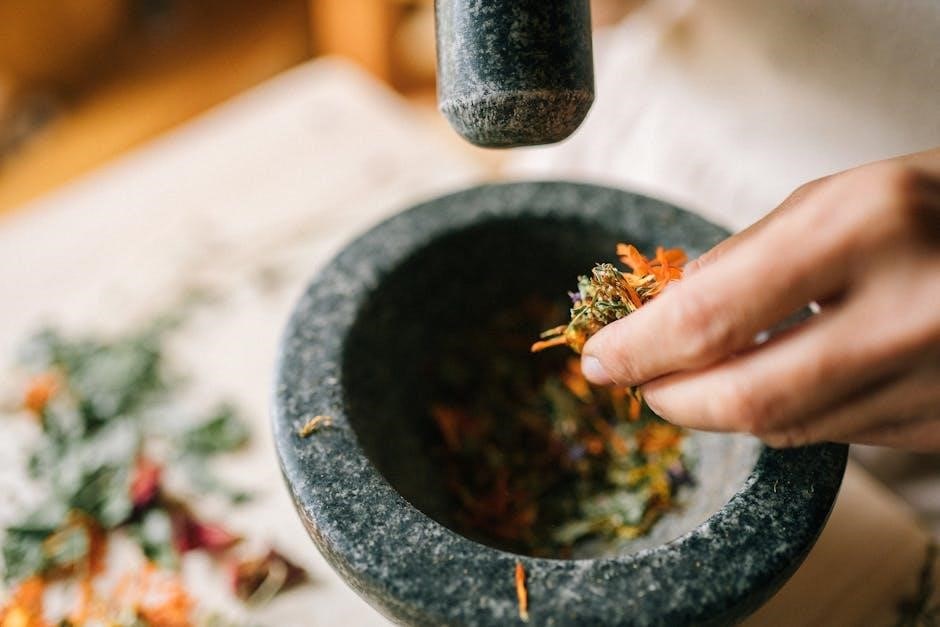
Certain herbs may also require milling or grinding to unlock their full potential, preparing them for infusion into potions or elixirs. Mastering these basic techniques is crucial for any aspiring herbalist seeking to maximize their yield and create effective concoctions.
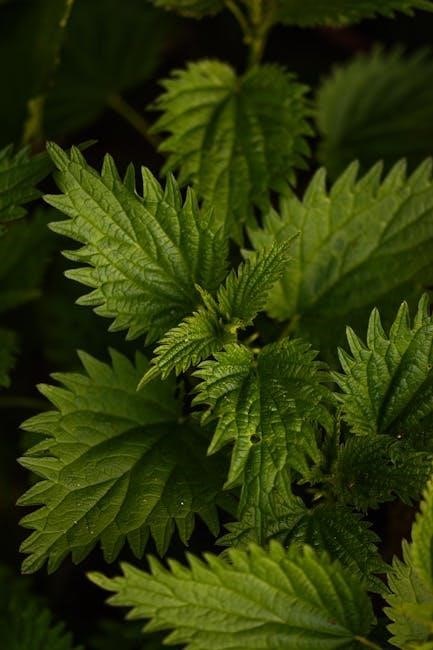
Creating Potions & Elixirs
Alchemy is the primary discipline for transforming herbs into potent potions and elixirs. The process involves combining processed herbs with other reagents – often obtained through various professions or direct gathering – within an alchemist’s laboratory.
Recipes dictate the precise herb combinations and quantities needed for each concoction, ranging from simple healing potions utilizing Peacebloom and Silverleaf to complex elixirs offering temporary stat boosts.
Successful potion creation requires not only the correct ingredients but also a sufficient Alchemy skill level. Experimentation and recipe discovery are key to expanding your alchemical repertoire, allowing you to craft increasingly powerful and valuable consumables for personal use or trade.
Utilizing Herbalism with Alchemy Skill
Herbalism and Alchemy form a symbiotic relationship in Cataclysm. A skilled herbalist provides the alchemist with a consistent supply of raw materials, reducing reliance on the Auction House and maximizing profit potential.
Higher Herbalism skill levels increase the yield and quality of gathered herbs, directly impacting the potency and effectiveness of crafted potions and elixirs. Conversely, a proficient alchemist can identify rare herb combinations and discover new recipes, incentivizing further herbal gathering.
This synergy allows players to become self-sufficient in consumable production, creating a sustainable loop of resource acquisition and crafting expertise.
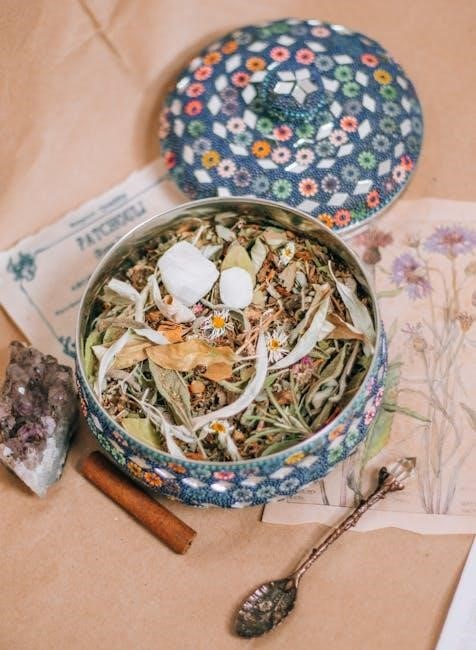
Key Herbs and Their Uses
Discover essential herbs like Peacebloom, Silverleaf, and Kingsblood, vital for early-game healing, versatile components, and powerful restoration potions in Cataclysm.
Peacebloom: Early Game Healing
Peacebloom is the foundational herb for aspiring herbalists in Cataclysm, readily available in low-level zones and crucial for initial potion crafting. Commonly found in temperate forests and meadows, it’s a staple for new players seeking to create minor healing potions and bandages. These potions provide a modest, yet vital, health restoration, essential for surviving early quests and dungeon encounters.
Its accessibility makes it an excellent source of income for leveling herbalism. While its value diminishes as players progress, mastering Peacebloom gathering builds fundamental skills. Look for it in areas like Elwynn Forest, Durotar, and Mulgore. Efficiently collecting Peacebloom establishes a solid base for more advanced herbalism pursuits and potion-making endeavors.
Silverleaf: Versatile Healing Component
Silverleaf serves as a remarkably versatile herb throughout the leveling experience in Cataclysm, extending its usefulness far beyond the early game. Found in a wider range of zones than Peacebloom, including forested areas and hillsides, it’s a key ingredient in numerous healing potions and bandages. Silverleaf’s properties enhance the potency of these concoctions, offering improved health recovery.
Its demand remains consistently high, making it a reliable source of income for herbalists. It’s frequently used in conjunction with other herbs to create more complex and effective remedies. Zones like Westfall, Redridge Mountains, and Loch Modan are prime Silverleaf gathering locations. Mastering Silverleaf harvesting is crucial for sustained potion production.
Earthroot: Stamina & Regeneration
Earthroot is a vital herb in Cataclysm, primarily valued for its stamina-restoring and health regeneration properties. Unlike direct healing herbs, Earthroot focuses on sustained recovery, making it ideal for endurance-focused classes or prolonged encounters. It’s a core component in potions designed for adventurers needing to maintain stamina during exploration and combat.
Earthroot typically grows in mountainous regions and rocky terrains, often found in zones like Dun Morogh and the Badlands. Its distinctive root structure makes it relatively easy to identify. Herbalists often combine Earthroot with other herbs to create potions offering both immediate healing and prolonged regeneration, enhancing overall survivability.
Bruisewort: Bandaging & Wound Care
Bruisewort stands as a foundational herb in Cataclysm, essential for basic wound care and bandaging applications. While not a potent healer, it significantly reduces bleeding and prevents infection, making it invaluable for early-game survival and emergency situations. It’s a frequent ingredient in simple bandages crafted by herbalists and utilized by all classes.
This common herb thrives in temperate grasslands and forests, frequently appearing in zones like Elwynn Forest and Loch Modan. Bruisewort is easily recognizable by its broad, blue-tinged leaves. Skilled herbalists often combine Bruisewort with other herbs to create more effective bandages, offering enhanced protection against infection and faster wound closure.
Grave Moss: Poison & Disease Remedies
Grave Moss is a crucial herb in Cataclysm for combating poisons and diseases, offering a vital defense against the numerous environmental hazards and enemy attacks. It’s a key component in antidotes and cleansing potions, frequently sought after by adventurers exploring dangerous territories. While not a direct healing agent, it prevents further harm from debilitating conditions.
Typically found in darker, damp locations like caves and swamps – particularly in zones like the Plaguelands and Duskwood – Grave Moss is identifiable by its pale, almost luminescent appearance. Herbalists often combine it with other herbs to create potent remedies, enhancing its effectiveness against specific toxins and illnesses.
Kingsblood: Powerful Healing & Mana Restoration
Kingsblood stands as one of the most prized herbs in Cataclysm, renowned for its exceptional healing and mana restoration properties. Highly sought after by healers and mana-dependent classes, it’s a core ingredient in powerful potions and elixirs capable of sustaining prolonged combat or quickly recovering from severe injuries. Its rarity contributes to its high value on the auction house.
Typically found in higher-level zones like Mount Hyjal and Vashj’ir, Kingsblood requires diligent searching and often competes with other players. Identifying it involves recognizing its vibrant crimson color and distinctive leaf structure. Skilled alchemists can maximize its potential, creating truly life-saving concoctions.
Liferoot: Advanced Healing & Regeneration
Liferoot represents a pinnacle of herbalism in Cataclysm, offering superior healing and robust regeneration effects. This herb is crucial for crafting advanced potions and elixirs designed for challenging endgame content, providing sustained healing over time and accelerating natural recovery. It’s a favorite among raiders and PvP enthusiasts.
Liferoot thrives in difficult-to-reach locations within zones like Deepholm and Twilight Highlands, demanding a higher herbalism skill level to reliably harvest. Its appearance is characterized by thick, gnarled roots and glowing, pulsating leaves. Mastering Liferoot harvesting unlocks potent healing capabilities for dedicated players.
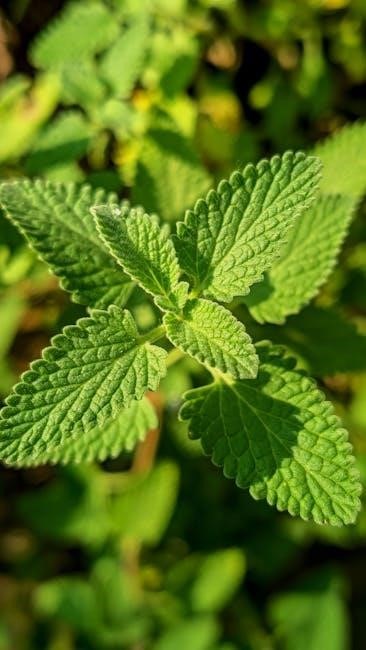
Advanced Herbalism Techniques
Mastering tracking, farming, and skill gains unlocks peak efficiency. Locate rare herbs, optimize routes, and maximize experience to become a true herbalism expert.
Tracking Rare Herbs
Locating rare herbs requires dedication and knowledge of spawn locations. While Cataclysm doesn’t explicitly detail a tracking system like later expansions, diligent players discover patterns. Certain herbs, like Kingsblood or Liferoot, appear in specific zones and often near landmarks.
Utilizing online resources and community-shared maps is crucial. Regularly patrolling high-probability areas, especially after server resets, increases your chances. Competition for these herbs is fierce, so quick gathering is essential. Consider using a flying mount to efficiently cover large territories.
Remember that herb spawns are not static; they are governed by a respawn timer. Learning these timers, even approximately, will significantly improve your success rate in securing valuable resources. Persistence and observation are key to mastering rare herb tracking.
Herb Farming Strategies
Efficient herb farming in Cataclysm demands route optimization and resource management. Focus on zones with high herb density, like The Hinterlands or Stranglethorn Vale, and create circular routes to minimize travel time. Prioritize herbs based on market demand and your Alchemy needs.
Consider utilizing a flying mount for faster traversal, especially in larger zones. Be mindful of competing players; popular herb spots can become congested. Time your farming sessions during off-peak hours to reduce competition.
Inventory management is crucial. Regularly clear your bags to maximize gathering capacity. Utilize herbalism enchantments on your gloves to increase yield. Finally, remember to scout for respawn timers to return to profitable locations efficiently.
Maximizing Herbalism Skill Gains
Rapidly leveling Herbalism in Cataclysm requires a strategic approach. Initially, focus on gathering common herbs like Peacebloom and Silverleaf in low-level zones such as Elwynn Forest or Durotar. Continuously gather, even if you don’t need the herbs, as skill-ups are based on node discoveries.
As your skill increases, move to higher-level zones with more valuable herbs like Earthroot and Bruisewort. Don’t neglect rarer herbs; even failed attempts contribute to skill gains.
Utilize herbalism trainers to learn new recipes and maximize your skill progression. Consider gathering while completing quests in herbalism-rich zones for dual progression.
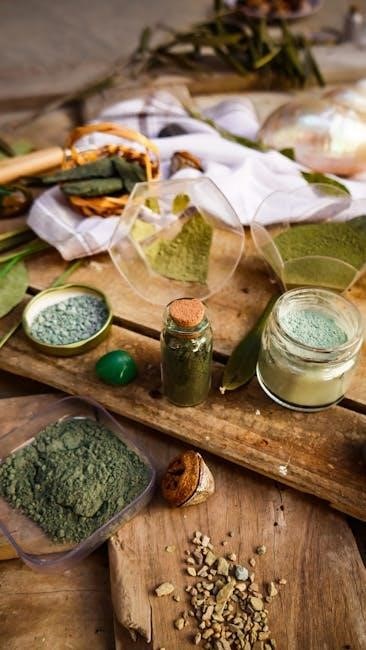
Herbalism and Professions Synergy
Herbalism powerfully combines with Alchemy for potion creation, and offers specialized components for Engineering. These synergies unlock unique crafting possibilities and profit avenues.
Herbalism & Alchemy ― A Powerful Combination
The synergy between Herbalism and Alchemy in Cataclysm is exceptionally strong, forming the cornerstone of self-sufficiency and profit for many players. Herbalists provide the essential ingredients – Peacebloom, Silverleaf, Earthroot, and more advanced varieties like Kingsblood and Liferoot – that Alchemists transform into potent potions, elixirs, and flasks.
Without a steady supply of herbs, an Alchemist’s capabilities are severely limited. Conversely, a skilled Herbalist finds a reliable market for their gathered materials amongst the Alchemy community. Mastering both professions allows for complete control over consumable production, reducing reliance on the Auction House and providing a significant advantage in both Player versus Environment (PvE) and Player versus Player (PvP) content. The ability to create powerful healing potions and utility elixirs directly from gathered resources is invaluable.
Herbalism & Engineering ⏤ Specialized Components
While less direct than the Herbalism-Alchemy link, a valuable synergy exists with Engineering in Cataclysm. Certain Engineering recipes require specific herbal components, often for specialized gadgets and devices. These aren’t typically the primary healing herbs, but rather rarer finds used in more niche creations.
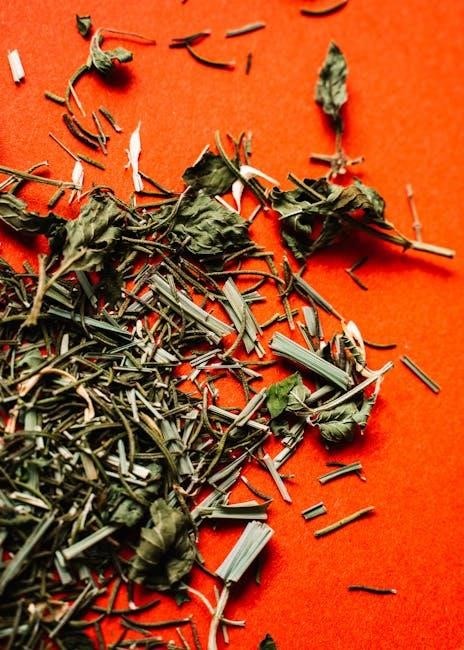
Examples include utilizing specific plant extracts for modifying bombs, creating specialized ammunition, or crafting unique utility items. Engineers seeking to diversify their crafting repertoire will find a consistent demand for these herbs. Herbalists, in turn, can capitalize on this demand, offering a specialized market beyond the standard potion-making crowd. This provides an alternative revenue stream and strengthens the overall crafting ecosystem.
Cataclysm Herbalism Changes & Updates
Cataclysm brought significant changes to herbalism, including new herbs, adjusted gathering rates, and revamped herb locations due to extensive zone overhauls.
New Herbs Introduced in Cataclysm
Cataclysm dramatically expanded the herbalist’s repertoire with the introduction of several new herbs, each possessing unique properties and applications. These additions significantly altered potion and elixir crafting possibilities, demanding players adapt and explore new combinations. Prominent among these newcomers are herbs like Wildsteel Thistle, found primarily in mountainous regions, crucial for strength-enhancing potions.
Similarly, Frost Lotus, a rare herb thriving in colder climates, became essential for powerful healing and mana restoration concoctions. Goldclover, often found near water sources, provides a boost to spirit regeneration. These herbs aren’t merely additions; they represent a shift in the meta, influencing both player progression and the in-game economy. Mastering their locations and uses is vital for any aspiring herbalist in the revamped world of Cataclysm.
Changes to Herb Gathering Rates
Cataclysm brought substantial adjustments to herb gathering rates, impacting the efficiency of herbalists across Azeroth. Blizzard aimed to rebalance the profession, addressing previous imbalances and encouraging exploration. Overall, the base gathering rate for most common herbs experienced a slight decrease, demanding more time and effort to amass significant quantities.
However, this was offset by the introduction of new mechanics, such as increased yields in specific zones and the potential for discovering rare herb patches. Skill level now plays a more crucial role, with higher-skilled herbalists enjoying significantly improved gathering speeds and a reduced chance of failing a gather. These changes necessitate optimized farming routes and a strategic approach to maximize herbalism gains.
Impact of Zone Revamps on Herb Locations
Cataclysm’s extensive zone revamps dramatically altered herb distribution across Azeroth. Previously reliable farming spots were often rendered obsolete, forcing herbalists to adapt and rediscover optimal locations. The reshaping of landscapes, coupled with the introduction of new terrain features, created both challenges and opportunities.
Many herbs migrated to different areas within their original zones, while others became more concentrated in specific regions. Zones like Arathi Highlands and The Hinterlands experienced significant shifts in herb density and accessibility. Players needed to re-learn herb spawn locations, utilizing updated maps and community resources to efficiently navigate the changed environments and maintain profitable gathering runs.